Table of Contents
ToggleLiving in a small house doesn’t mean sacrificing comfort or style. With the right approach, compact spaces can feel open, functional, and uniquely yours. The key is understanding that small house interior design isn’t just about cramming less into fewer rooms, it’s about making deliberate choices that maximize usability, enhance natural light, and create visual flow. Whether you’re working with a 600-square-foot bungalow or a modest two-bedroom ranch, these strategies will help you transform tight quarters into a well-designed home that works harder and looks better.
Key Takeaways
- Small house interior design requires prioritizing multi-functionality, visual lightness, and smart storage to maximize every square foot without compromising comfort or style.
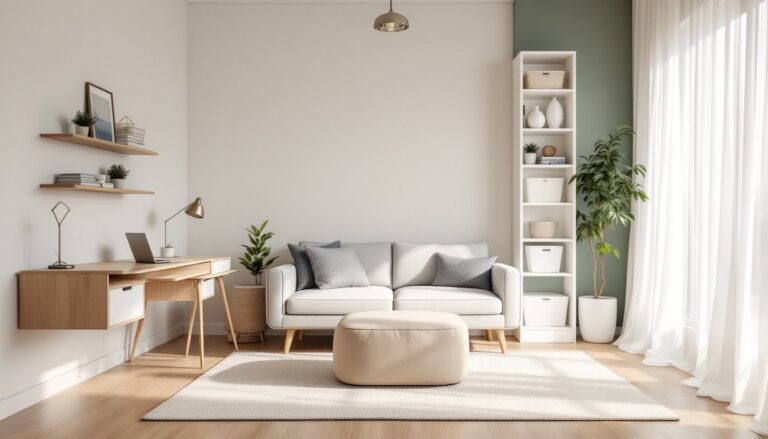
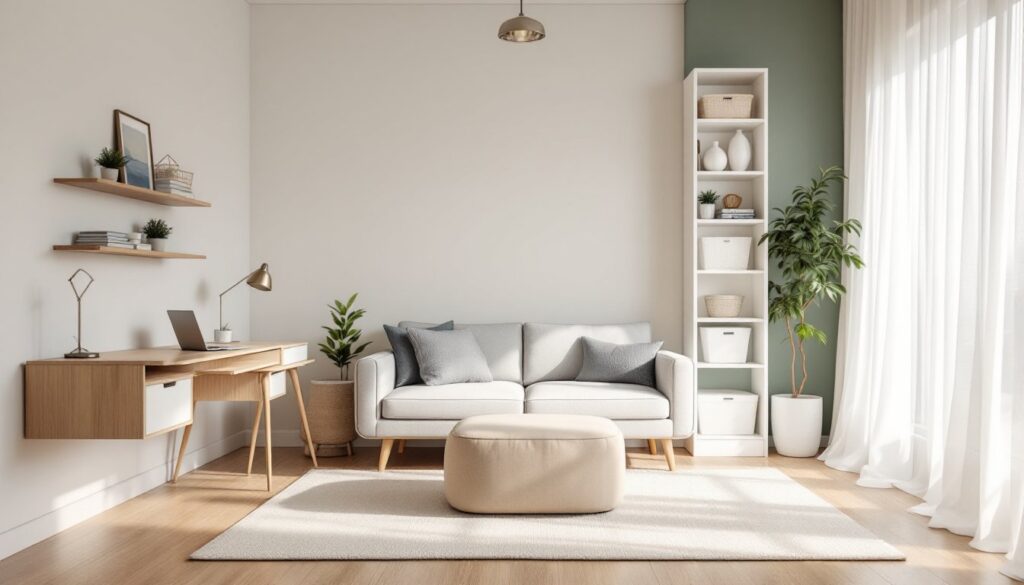
- Choose furniture with exposed legs, pieces under 36 inches tall, and dual-purpose items like storage ottomans and wall-mounted desks to create an illusion of more open space.
- Light, neutral wall colors and strategic lighting layers (ambient, task, and accent) reflect light and visually expand small rooms, while one accent wall can add depth without shrinking the space.
- Maximize vertical space with floor-to-ceiling shelving, tall bookcases, and wall-mounted solutions to keep floors clear and draw the eye upward, making ceilings feel higher.
- Define multi-functional zones using area rugs and furniture placement rather than walls, and maintain at least 36 inches of clearance in hallways to ensure comfortable navigation.
- Hidden storage solutions—from under-stair compartments to furniture with drawers—eliminate clutter and give every item a dedicated home, which is essential for small spaces to feel organized and livable.
Why Small Space Design Requires a Different Approach
Small house interior design demands a shift in mindset. In larger homes, designers can afford to dedicate entire rooms to single purposes, a formal dining room, a home office, a guest bedroom. But when square footage is limited, every surface and every piece of furniture needs to earn its keep.
The challenge isn’t just physical. Poor design choices in a small space are amplified. A bulky sofa that would disappear in a spacious living room can dominate a 12×14-foot space, making it feel cramped. Dark wall colors that add drama in a large room can make a small one feel like a cave. Traffic flow matters more when you’re navigating three feet of clearance instead of six.
Successful small space design prioritizes multi-functionality, visual lightness, and smart storage. It’s about creating the illusion of space while maximizing practical use. This requires planning before purchasing. Measure doorways, hallways, and room dimensions (wall to wall, not including baseboards). Sketch layouts on graph paper or use free online room planners. Know your actual square footage before committing to furniture or built-ins.
Another consideration: structural limitations. Many small homes are older construction with load-bearing walls that can’t be removed without engineering plans and permits. If you’re considering knocking down a wall to open up space, consult a structural engineer or contractor first. Non-professionals can’t always identify load-bearing walls by sight, especially in balloon-frame or platform-frame houses common in pre-1960s construction.
Space-Saving Furniture Solutions That Don’t Compromise Style
Choosing the right furniture is half the battle in small house interior design. The goal is pieces that serve multiple purposes without looking like dormitory hand-me-downs.
Dual-purpose staples include:
- Storage ottomans – Function as seating, footrests, and hidden storage for blankets, remotes, or toys. Look for models with removable lids and interior compartments.
- Sofa beds or sleeper sofas – Modern options have come a long way from lumpy fold-outs. Look for memory foam mattresses (at least 5 inches thick) for actual guest comfort.
- Extendable dining tables – Drop-leaf, butterfly-leaf, or pull-out designs let you go from two-seater to six-seater as needed. Pair with stackable or folding chairs stored in a closet.
- Wall-mounted desks – Fold-down or floating desks free up floor space. Some models include built-in shelving or pegboard for supplies.
- Nesting tables – Use as side tables, then pull apart for extra surface area when entertaining.
When selecting upholstered pieces, choose furniture with exposed legs rather than skirted bases. Visible floor underneath creates the illusion of more space. Stick to pieces under 36 inches tall for sofas and chairs to avoid blocking sightlines.
Avoid oversized sectionals unless the room is truly large enough (at least 14×16 feet). A loveseat paired with a couple of chairs often works better in smaller living rooms. For bedrooms, consider a full or queen-size bed instead of a king to leave room for nightstands and a dresser. Platform beds with built-in drawers eliminate the need for a separate dresser entirely.
If you’re handy, build custom furniture to exact dimensions. A DIY window seat with flip-top storage, built to fit a 48-inch bay window, wastes zero space and doubles as seating.
Color and Light: Creating the Illusion of More Space
Paint is the cheapest and fastest way to make a small house feel larger. Light, neutral colors reflect more light and visually push walls outward. White, off-white, light gray, and soft beige are go-to choices, but don’t rule out pale blues, greens, or even blush tones, they work as long as they’re light in value.
Use the same color (or very similar shades) throughout the house to create visual continuity. When the eye doesn’t have to stop at color breaks, spaces feel more open. This is especially effective in open-concept areas where the kitchen flows into the living room.
That said, an accent wall in a deeper color can add depth without shrinking the room, just keep it to one wall, ideally the farthest from the entry point. Avoid bold wallpaper on all four walls: it can feel busy and claustrophobic in tight quarters.
Lighting is equally critical. Maximize natural light by keeping window treatments minimal. Sheer curtains or top-down/bottom-up shades let light in while maintaining privacy. Skip heavy drapes that block windows and collect dust.
For artificial lighting, layer your sources:
- Ambient lighting – Overhead fixtures (flush-mount or semi-flush for low ceilings) provide general illumination.
- Task lighting – Under-cabinet LED strips in kitchens, swing-arm lamps by reading chairs, and pendant lights over dining tables serve specific functions.
- Accent lighting – Small spotlights or picture lights draw the eye upward and add dimension.
Many designers recommend using light-reflective finishes like satin or semi-gloss paint in small spaces, but be cautious, these sheens highlight wall imperfections. If your drywall has dings or texture issues, stick with eggshell or matte and focus reflective surfaces on trim, cabinetry, or décor instead.
Clever Storage Ideas to Eliminate Clutter
Clutter is the enemy of small space living. When every item is visible, rooms feel chaotic. The solution isn’t just getting rid of stuff (though that helps), it’s creating dedicated, hidden storage so everything has a home.
Built-in storage solutions:
- Floor-to-ceiling shelving – Open shelves work in living rooms, kitchens, and home offices. Use baskets or bins on lower shelves to hide less attractive items.
- Recessed shelving – If you’re opening walls for electrical or plumbing work, consider adding recessed shelves between studs (typically 14.5 inches wide in walls framed with 2x4s on 16-inch centers). These work great in bathrooms for toiletries or in hallways for books.
- Closet systems – Retrofit closets with adjustable shelving, double hang rods, and pull-out drawers to triple usable space. Wire shelving kits are DIY-friendly: custom closet systems require professional install but maximize every inch.
Furniture with hidden storage:
- Bed frames with drawers or hydraulic lift mechanisms for under-mattress storage.
- Coffee tables with lift-tops and interior compartments.
- Benches with hinged seats in entryways or mudrooms.
Don’t overlook dead spaces. The area under stairs, the gap between the fridge and the wall, and the 12 inches above upper kitchen cabinets are all fair game. Custom pull-out pantries (sometimes called “skinny pantries”) fit in 6- to 8-inch gaps and hold spices, canned goods, or cleaning supplies.
For renters or anyone avoiding permanent modifications, freestanding wardrobes, wall-mounted pegboards, and over-door organizers provide flexible storage. When planning storage, think vertically, capitalize on unused wall space instead of cluttering floors.
Multi-Functional Rooms and Flexible Layouts
In a small house, rooms often pull double or triple duty. The dining area might also be a home office. The guest bedroom could be a craft room 360 days a year. Interior design ideas for small house layouts revolve around flexibility.
Define zones with furniture placement and area rugs, not walls. A sofa positioned perpendicular to a wall can separate a living area from a dining nook in an open floor plan. An area rug anchors each zone visually, use rugs large enough that at least the front legs of furniture sit on them (a 5×7-foot rug is often too small: go for 8×10 or larger).
Room dividers offer separation without the permanence of drywall. Options include:
- Open shelving units – Act as storage and a visual break. Keep them under 6 feet tall to avoid a claustrophobic feel.
- Folding screens or curtains – Easy to move or remove when you want the space to feel open.
- Half-walls or pony walls – If you’re comfortable with basic framing, a 42-inch-tall half-wall topped with a shelf can divide spaces while maintaining sightlines. Check local codes: some jurisdictions require permits for any new framing, even non-load-bearing.
For home decor ideas for small homes, consider modular furniture that adapts to needs. Folding desks, rolling carts, and stackable seating can be deployed when needed and tucked away when not.
A thoughtful layout approach ensures high-traffic paths remain clear, aim for 36 inches of clearance in hallways and main walkways, 24 inches minimum in tighter spots. If you’re constantly sidestepping furniture, the layout isn’t working.
Vertical Design: Using Walls and Height to Your Advantage
One of the most underused resources in small homes is vertical space. When floor area is limited, look up.
Wall-mounted solutions include:
- Floating shelves – Install with heavy-duty brackets rated for the load (drywall anchors alone won’t cut it for book-laden shelves: find studs or use toggle bolts rated for at least 50 pounds each). Keep shelves 12–16 inches deep for function without overwhelming the room.
- Pegboards or slat walls – Perfect for kitchens, workshops, or entryways. Hang pots, tools, bags, or coats without taking up floor space.
- Tall bookcases and cabinets – Choose pieces that go all the way to the ceiling or close to it. The vertical lines draw the eye upward, making ceilings feel higher.
High-mounted storage works in closets, garages, and utility rooms. Install shelving 6–8 feet up for seasonal items or rarely used gear. Use a step stool for access, but keep daily-use items at waist to shoulder height.
In kitchens, upper cabinets should extend to the ceiling if possible. The space between standard 30-inch uppers and an 8-foot ceiling collects dust and wasted potential. Custom or stock 42-inch-tall cabinets fill that gap. If you’re doing a kitchen reno, talk to a cabinetmaker about maximizing vertical storage.
Another trick: hang artwork and mirrors higher than standard. The center of a piece should be at eye level (around 57–60 inches from the floor), but in rooms with high ceilings, going slightly higher pulls the gaze up. Large mirrors, especially, create the illusion of depth and reflect light around the room.
For a loft-inspired aesthetic, consider exposed shelving or hanging storage in bedrooms. Wall-mounted nightstands free up floor space, and hanging clothing racks work where closets are tiny or nonexistent.
One caution: don’t overfill vertical spaces. Too many shelves crammed with stuff can feel cluttered. Balance storage with breathing room, leave some wall space empty to avoid visual overload. Principles from minimalist design traditions emphasize restraint and intentionality, which translate well to small house interiors.
When planning vertical storage, always check for electrical wiring, plumbing, or HVAC runs hidden behind walls. Use a stud finder with wire-detection capability before drilling into walls, especially in kitchens and bathrooms where utilities are concentrated.
Conclusion
Designing a small house is less about what you give up and more about what you prioritize. Every choice, from furniture scale to paint color to storage solutions, has an outsized impact. By thinking vertically, choosing multi-functional pieces, and keeping sight lines clear, even the most compact home can feel open and livable. The best small space designs don’t just look good in photos, they work hard every single day.