Table of Contents
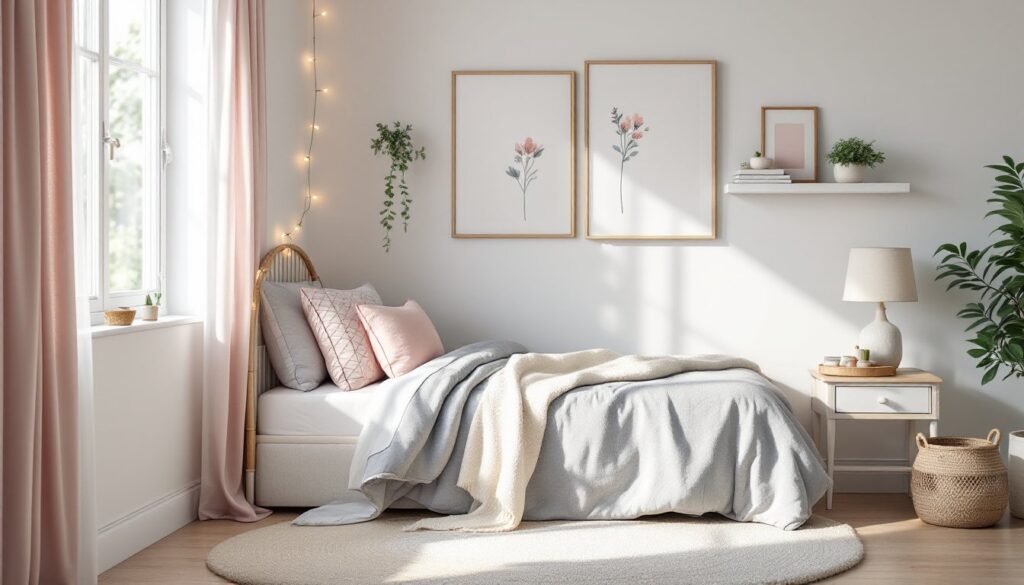
ToggleDecorating a girl’s bedroom goes beyond choosing a paint color and calling it done. The accessories pull the entire space together, turning blank walls and bare surfaces into a room that reflects her interests, age, and evolving tastes. Whether she’s seven or seventeen, the right decor accessories create a functional, inviting space she’ll actually want to spend time in. This guide walks through the essential accessory categories that make the biggest impact, from wall decor and textiles to lighting and storage solutions that do double duty.
Key Takeaways
- Girl bedroom decor accessories transform a space into a personalized, functional room by layering wall decor, textiles, lighting, and storage solutions that reflect her interests and age.
- Wall decor—including framed art, removable wall decals, floating shelves, and mirrors—anchors the room and sets the visual tone without requiring permanent damage.
- Quality bedding layered with throw pillows, blankets, and area rugs creates a curated look that’s both comfortable and visually cohesive.
- Layered lighting accessories (table lamps, string lights, floor lamps, and dimmers) provide task lighting and ambiance while adjustable brightness suits different moods and activities.
- Storage accessories like woven baskets, pegboards, and cube storage units keep clutter controlled while doubling as decor that contributes to the room’s aesthetic.
- Age-appropriate accessory choices—from playful pieces for younger girls to sophisticated designs for teens—ensure the space remains relevant as she grows.
Essential Wall Decor Accessories for a Personalized Touch
Bare walls read as unfinished, no matter how nice the furniture. Wall decor accessories anchor the room and set the visual tone.
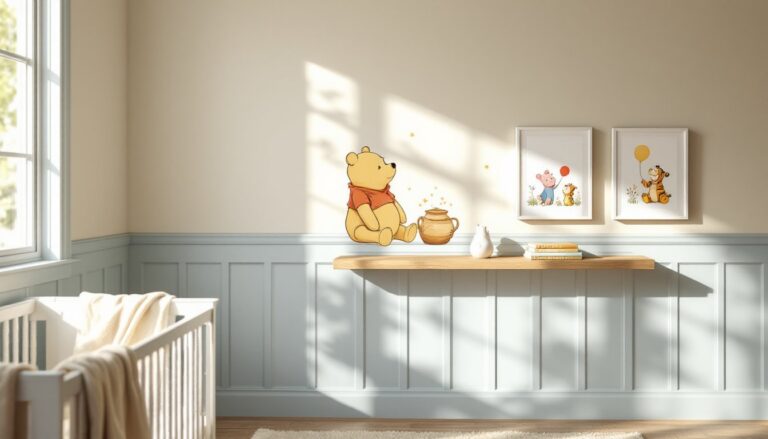
Framed art and prints work for every age group. For younger kids, consider gallery frames in coordinating colors (black, white, or natural wood) that can hold rotating artwork, her own drawings, prints, or photos. Standard 8×10″ or 11×14″ frames are easy to swap out as tastes change.
Removable wall decals offer flexibility without damaging drywall. Peel-and-stick options now include everything from florals to geometric patterns. They’re ideal for renters or anyone who wants to avoid patching nail holes. Just clean the wall with rubbing alcohol before application to ensure adhesion.
Floating shelves (typically ¾” thick by 8–12″ deep) serve as both display space and decor. Install them with heavy-duty anchors rated for 20–50 lbs if mounting to drywall without hitting studs. Use a stud finder and level during installation, crooked shelves stand out immediately.
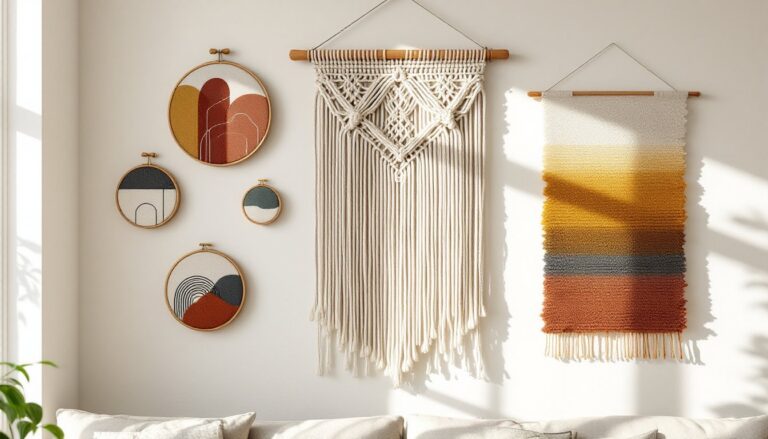
Woven wall hangings, macramé pieces, or fabric tapestries add texture and soften hard surfaces. They work especially well above the bed or on a focal wall. For budget-conscious projects, many DIY textile wall hangings can be crafted at home with basic supplies like yarn, dowels, and a few hours on a weekend.
Mirrors, whether full-length leaning types or smaller decorative styles, bounce light around and make small rooms feel larger. A 16×48″ leaning mirror needs no wall anchors but should be secured with furniture straps if young children are present.
Bedding and Textile Accessories That Add Comfort and Color
Bedding sets the color palette and comfort level, but it’s the layering accessories that make a bed feel curated rather than basic.
Start with quality sheet sets in 100% cotton or a cotton-poly blend (200+ thread count for durability). Solid colors or subtle patterns offer more longevity than character-themed prints that get outgrown quickly.
Duvet covers beat traditional comforters for versatility. They’re machine-washable, easy to swap seasonally, and come in endless patterns. Look for covers with corner ties to keep the insert from bunching. Standard sizes: twin (68×88″), full/queen (88×92″), and king (104×92″).
Layer with throw pillows in varying sizes and textures, 18×18″ or 20×20″ square pillows pair well with a 12×16″ lumbar pillow. Mix solids with one patterned option to avoid visual clutter. Pillow inserts should be down-alternative or polyester fill for easy washing.
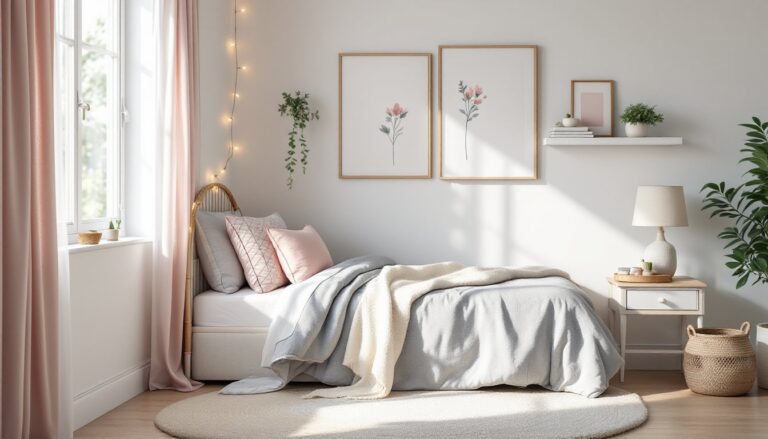
Throw blankets (typically 50×60″) draped at the foot of the bed add warmth and a pop of color or texture. Chunky knit, faux fur, or lightweight cotton options work depending on climate and aesthetic. Many homeowners achieve cohesive bedroom textiles by sticking to a three-color palette across all fabrics.
Bed skirts or dust ruffles hide under-bed storage and give a polished look, though they’re optional for platform beds or frames with visible legs. Standard drop lengths are 14–18″.
Don’t skip the rug. An area rug (5×7′ or 8×10′ depending on room size) warms up hard flooring and defines the sleeping zone. Choose low-pile or flatweave styles for easier vacuuming. Rug pads prevent shifting and extend the life of both rug and floor.
Lighting Accessories to Create the Perfect Ambiance
Overhead lighting alone creates harsh shadows and isn’t adjustable for different moods or tasks. Layered lighting accessories make the room functional and inviting.
Table lamps on nightstands or desks provide task lighting for reading or assignments. Look for lamps with three-way bulbs (50/100/150 watts equivalent in LED) for adjustable brightness. Lamp height should be 18–24″ to the bottom of the shade for bedside use. Ceramic, metal, or wood bases hold up better than lightweight plastic.
String lights or fairy lights add ambient glow without hardwiring. Battery-operated or plug-in LED string lights run cooler than incandescent and last longer. Drape them along headboards, around windows, or across floating shelves. Warm white (2700–3000K) creates a cozier feel than cool white.
Floor lamps work in corners or reading nooks where table space is limited. Arched floor lamps or tripod styles suit older kids and teens. Make sure the base is stable, cheap floor lamps tip easily. Route cords along baseboards and secure with cord clips to prevent tripping hazards.
Pendant lights or chandeliers replace or supplement ceiling fixtures for a statement piece. Installation requires basic electrical skills: turn off power at the breaker, connect black to black (hot), white to white (neutral), and bare copper to ground. If the existing junction box isn’t rated for the fixture’s weight, install a fan-rated box anchored to a joist. When in doubt, hire a licensed electrician, improper wiring violates NEC standards and creates fire risk.
Dimmer switches ($15–30) let occupants adjust brightness to suit the time of day. They require compatible LED bulbs labeled “dimmable.” Installation is straightforward for anyone comfortable working with household wiring, but always shut off power first and test with a non-contact voltage tester.
Many parents appreciate guidance on ambient bedroom lighting that balances function with mood, especially as kids grow and need better task lighting for schoolwork.
Storage and Organization Accessories That Double as Decor
Clutter kills even the best-decorated room. Storage accessories keep things tidy while contributing to the overall aesthetic.
Woven baskets (seagrass, rattan, or wire) corral toys, blankets, or out-of-season clothes. Lidded baskets hide visual mess: open baskets keep frequently used items accessible. Cube storage units (typically 11–13″ cubes) pair with fabric bins in coordinating colors. Mount taller units to the wall with L-brackets to prevent tip-over, this is non-negotiable with kids in the house.
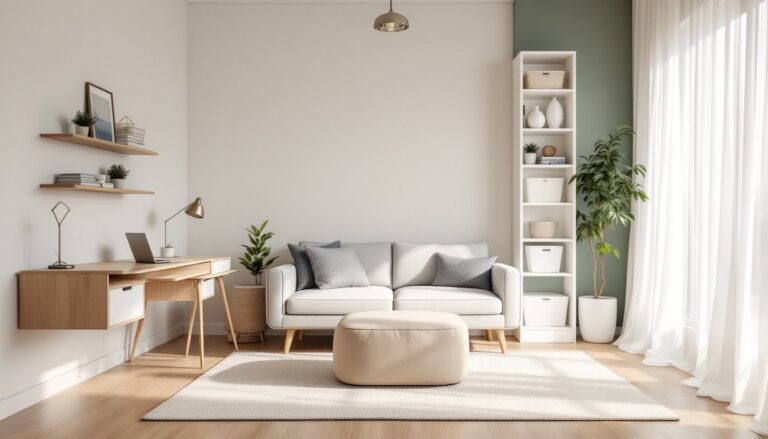
Bookshelves do more than hold books. Style them with a mix of books (vertical and horizontal stacks), small plants, framed photos, and decorative objects. The one-third rule works well: fill about two-thirds of shelf space, leave one-third open to avoid a cluttered look.
Over-the-door organizers (fabric pockets or metal racks) maximize vertical space in closets or on bedroom doors. They’re ideal for shoes, accessories, or school supplies. Installation is tool-free but check door clearance, some organizers add 2–3″ of thickness.
Pegboards offer customizable storage for jewelry, hats, or art supplies. Paint a ¼” pegboard to match wall color, mount with 1″ spacers behind it (so hooks have clearance), and use a variety of pegs, baskets, and shelves. Hit at least two studs or use toggle bolts rated for 50+ lbs in drywall. Many budget-friendly bedroom makeovers feature pegboard as both functional storage and a focal point.
Storage benches or ottomans at the foot of the bed provide seating and hidden storage. Look for hinged lids with safety hinges that prevent slamming. Standard bench height is 18″, comfortable for sitting and accessible for kids.
Wall hooks (single or multi-hook racks) handle coats, bags, or hats. Install them at an appropriate height for the child’s reach. Decorative hooks in fun shapes (animals, geometric designs) blend function with personality.
Decorative Accents and Finishing Touches
The small details separate a well-decorated room from one that feels generic or incomplete.
Desk accessories, pen holders, trays, organizers, keep workspaces functional. Metal mesh organizers are durable: acrylic styles suit a more modern look. A corkboard or magnetic board (framed or unframed) gives a spot for notes, photos, and reminders without taping things to the wall.
Planters and faux plants add life without the maintenance risk of real plants (watering mishaps on carpet aren’t fun). Small ceramic or concrete planters (4–6″ diameter) fit on shelves or desks. If going with real plants, pothos or snake plants tolerate low light and irregular watering.
Curtains or window treatments soften windows and control light. Blackout curtains help younger kids sleep in or block early morning sun. Standard panel widths are 50–54″: for fullness, the total width of panels should be 1.5–2× the window width. Mount curtain rods 4–6″ above the window frame and extend them 3–6″ beyond each side to make windows appear larger.
Decorative trays on dressers corral jewelry, hair accessories, or small items that otherwise scatter. Wood, mirrored, or metal trays suit different styles. Keep it simple, a tray with 2–4 items looks intentional: more than that reads as clutter.
Letter boards, chalkboards, or dry-erase boards let kids (or parents) post messages, quotes, or weekly schedules. A 16×20″ framed board is large enough to be useful without dominating wall space.
Clocks, both functional and decorative, prevent the “I didn’t know what time it was” excuse. Wall clocks or small desk clocks work: just avoid loud ticking mechanisms that disrupt sleep. Many DIY enthusiasts find inspiration in home decor projects that repurpose everyday items into custom accents.
Age-Appropriate Accessory Ideas for Different Stages
What works for a six-year-old won’t suit a teenager, and vice versa. Tailoring accessories to age and maturity level keeps the room relevant longer.
Ages 5–9: Focus on playful but adaptable pieces. Avoid hyper-specific character themes that date quickly. Instead, choose accessories in favorite colors or patterns (polka dots, stripes, florals). Toy storage is critical, cubes, bins, and low shelves keep things accessible. Wall decals, colorful bedding, and softer lighting create a cheerful, safe space.
Ages 10–13: Tastes start sharpening. Involve them in accessory choices, give options within a reasonable budget. Cork boards, photo displays, and string lights let them personalize without permanent changes. Desk accessories and better task lighting support increased assignments demands. Storage shifts toward clothes, books, and hobby supplies rather than toys.
Ages 14+: Treat it like a young adult space. Accessories lean more sophisticated, minimalist frames, neutral textiles with one accent color, and functional furniture. Lighting becomes crucial for studying. Jewelry organizers, full-length mirrors, and seating (a chair or pouf) for friends round out the space. Teens often gravitate toward styles seen in modern bedroom designs that balance clean lines with personal flair.
No matter the age, keep safety in mind: anchor heavy furniture, use LED bulbs to reduce heat and fire risk, and skip anything with small detachable parts for kids under three.
Conclusion
Girl bedroom decor accessories turn a generic sleeping area into a space that feels personal and functional. The key is choosing versatile pieces that adapt as she grows, solid foundational items like quality bedding, adjustable lighting, and flexible storage, paired with smaller accents that swap out easily. Start with the big impact categories (wall decor, textiles, lighting), then layer in organization and finishing touches. Done right, the room works as hard as it looks good.