Table of Contents
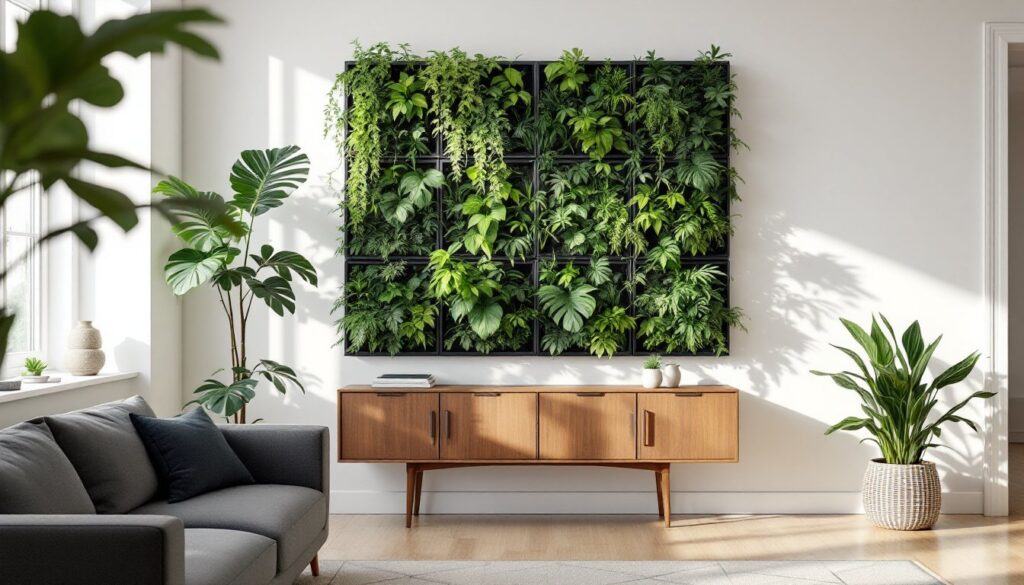
ToggleGreenery wall decor has moved beyond trendy Instagram backdrops and into the practical toolkit of everyday homeowners. Whether it’s a vertical panel of ferns in a dim hallway or a grid of preserved moss in a bathroom, these installations bring texture, color, and, depending on the option chosen, actual air-purifying benefits into spaces that often lack character. The appeal isn’t just aesthetic. Vertical greenery makes efficient use of wall space, offers sound dampening in open-plan layouts, and can be scaled to fit any budget or skill level. This guide walks through the types, selection criteria, installation steps, and maintenance requirements so anyone can confidently add living (or lifelike) walls to their home.
Key Takeaways
- Greenery wall decor uses vertical installations of real, preserved, or artificial plants to maximize wall space, improve acoustics, and add texture without consuming floor square footage.
- Live plant walls require adequate light (200–800 foot-candles depending on species), proper irrigation systems, and structural support rated for 10–15 lbs per square foot of saturated soil weight.
- Bathrooms with high humidity (50–70%) are ideal for live plant walls featuring ferns and pothos, while kitchens work best for edible herb installations with south- or west-facing light exposure.
- Faux and preserved moss greenery wall options eliminate watering and maintenance concerns, making them practical alternatives for low-light areas, frequent travelers, and high-traffic spaces.
- Installation requires locating studs spaced 16 inches apart, using #8 × 3-inch screws mounted into solid framing, and installing drip trays to protect flooring and baseboards from water damage.
- Live plant walls need weekly watering, monthly fertilizing, and periodic pruning, while artificial panels require quarterly dusting and preserved moss needs only occasional light misting if humidity falls below 40%.
What Is Greenery Wall Decor and Why It’s Trending
Greenery wall decor refers to any vertical installation of plants, real, preserved, or artificial, mounted on interior or exterior walls. Common formats include modular panel systems, pocket planters, frame-mounted moss art, and hydroponic walls fed by built-in reservoirs.
The trend accelerated during the 2020s as homeowners sought biophilic design elements that blur the line between indoors and outdoors. Studies on indoor greenery consistently show improvements in perceived air quality and mood, even when the plants are faux. In 2026, the focus has shifted from showy statement walls in commercial lobbies to practical, low-maintenance installations in residential bathrooms, kitchens, and home offices.
Part of the appeal is structural flexibility. Unlike potted plants that require floor or shelf space, vertical systems attach to studs or use adhesive backing, freeing up square footage. They also offer acoustic benefits: dense foliage and substrate materials absorb sound, making them useful in hard-surface rooms with echo issues.
Another driver is the range of difficulty levels. A beginner can hang a pre-planted felt pocket panel in an afternoon, while an experienced DIYer might plumb a recirculating irrigation system into a custom cedar frame. The barrier to entry is lower than it’s ever been.
Types of Greenery Wall Decor for Every Home Style
Choosing the right system depends on budget, maintenance tolerance, and whether natural light is available. Here’s a breakdown of the main categories.
Modular living wall panels use interlocking plastic or metal trays with built-in soil pockets or hydroponic reservoirs. Brands often sell them in 12″ × 12″ or 18″ × 24″ modules that mount to wall cleats. They’re ideal for kitchens (herbs) or bathrooms (pothos, ferns) with indirect light. Expect to spend $40–$80 per panel, plus plants. Installation requires locating studs and using #8 wood screws rated for the combined weight of saturated soil and foliage.
Felt pocket planters are lightweight fabric systems with horizontal rows of pockets. They hang from a single rod or cleat and work well for renters or temporary setups. Watering must be done carefully, oversaturation will drip. Use a spray bottle or low-flow drip line if plumbing a permanent system.
Preserved moss and lichen panels contain real plants treated with glycerin to halt growth. They require zero watering or light, making them suited for windowless hallways or basements. Frames range from small (8″ × 10″) art pieces to full accent walls. Humidity above 40% keeps them supple: below that, they dry out and lose color. These are decorative, not living, so don’t expect air purification.
Artificial greenery tiles are UV-resistant plastic replicas mounted on interlocking foam or rigid PVC backing. Quality varies widely, cheap versions look obviously fake under direct light, but higher-end options (often using mixed textures: boxwood, ivy, fern) pass casual inspection. They’re fireproof per ASTM E84 Class A standards, which matters for commercial or rental applications. Outdoor-rated versions tolerate full sun and rain without fading.
Live Plant Walls vs. Faux Greenery Options
Live plant walls demand more upfront planning but deliver real environmental benefits. They require:
- Adequate light: Minimum 200–400 foot-candles for low-light species (pothos, philodendron), 400–800 for moderate (ferns, peperomia). South- or west-facing walls work best. If natural light is insufficient, add full-spectrum LED grow lights on timers (14–16 hours daily).
- Irrigation: Hand-watering works for small arrays (under 10 square feet). Larger systems need drip lines connected to a reservoir or hose bib. Budget $100–$300 for a timer-controlled pump setup.
- Structural considerations: Saturated soil weighs 10–15 lbs per square foot. Wall studs spaced 16″ on center can handle this, but confirm with a stud finder and use 3″ construction screws into solid framing. Drywall anchors alone won’t suffice.
- Drainage: Panels must either have built-in catch trays or be installed over tile/vinyl floors with a drip edge. Carpet and hardwood don’t mix well with living walls unless the system is sealed.
Faux greenery skips all of the above. It won’t improve air quality, but it also won’t die during a vacation or turn brown from underwatering. For rooms with poor light or for homeowners who travel frequently, it’s the pragmatic choice. Dust buildup is the main issue, plan to vacuum or rinse panels every few months. Those interested in combining real and faux elements can explore vertical garden planters that offer modular flexibility.
Each type has a place. Living walls suit dedicated plant enthusiasts with stable schedules. Preserved moss fits design-forward spaces with low maintenance budgets. Artificial greenery works for high-traffic or low-light areas where realism is secondary to visual texture.
How to Choose the Right Greenery Wall Decor for Your Space
Start by answering three questions: How much natural light does the wall receive? What’s the ambient humidity? And how much time can be dedicated to upkeep?
Light levels dictate plant viability. Use a smartphone lux meter app (many are free) to measure foot-candles at the wall during peak daylight. Under 200 fc, stick with faux or preserved options unless supplementing with grow lights. Between 200–600 fc, shade-tolerant tropicals thrive. Above 600 fc, consider succulents or herbs in a hydroponic setup.
Humidity matters for preserved moss and live tropicals. Bathrooms (50–70% relative humidity) are ideal for ferns and moss. Living rooms and bedrooms (30–50%) work for pothos and philodendron. Below 30%, even hardy species struggle, and preserved moss becomes brittle.
Maintenance tolerance is the dealbreaker. Live walls need weekly watering (or daily for certain hydroponic setups), monthly fertilizing, and periodic pruning. Faux panels need quarterly dusting. Preserved moss needs nothing unless humidity drops.
Wall construction also plays a role. Studs 16″ on center are standard in most homes and handle the load of saturated soil. Plaster walls or metal studs may require toggle bolts or consultation with a structural engineer if the installation exceeds 50 lbs.
Budget ranges widely. A 4′ × 4′ faux boxwood panel runs $80–$150. The same square footage in live modular panels costs $200–$400, plus plants ($50–$100) and irrigation hardware ($100–$200). Preserved moss art starts at $200 for small frames and scales up to $2,000+ for custom installations.
Finally, consider the room’s function. High-traffic entryways benefit from durable artificial or preserved options. Home offices and bedrooms gain ambiance from live plants. Kitchens with good light are perfect for edible herb walls.
DIY Greenery Wall Installation: Step-by-Step Guide
This guide covers a modular live plant panel system mounted on an interior wall. Adjust steps for faux or preserved options, which skip irrigation and weigh less.
Tools & Materials
- Stud finder
- Level (24″ or laser)
- Drill/driver with Phillips and 1/8″ twist bits
- Tape measure
- Pencil
- Safety glasses
- Modular panels (number depends on coverage area)
- Wall cleats or French cleat hardware (often included with panels)
- #8 × 3″ wood screws (for mounting into studs)
- Plants suited to available light
- Potting mix (lightweight, soilless blend recommended)
- Drip tray or moisture barrier (if not integrated)
- Optional: timer-controlled drip irrigation kit
Step-by-Step
-
Locate studs. Use a stud finder to mark center points along the wall. Most residential walls have studs every 16″. Mark at least two stud locations that align with your panel layout.
-
Plan the layout. Dry-fit panels on the floor to confirm dimensions. Use a level to draw a horizontal reference line on the wall at the desired height. Panels should align top edges with this line.
-
Install mounting hardware. Attach wall cleats or French cleat rails to studs using #8 × 3″ screws. Drill 1/8″ pilot holes to prevent splitting. Ensure cleats are level: even a 1/4″ slope will cause panels to tilt and drain unevenly. Wear safety glasses during drilling.
-
Hang panels. Lift each panel onto the cleat, locking it into place. Most systems use a hook-and-rail design. Check that panels are flush and level before proceeding.
-
Plant. Fill pockets or trays with potting mix, leaving 1/2″ below the rim. Insert plants, firming soil gently around roots. Start from the bottom row and work upward to avoid dripping soil onto finished sections.
-
Set up irrigation (if applicable). Run drip tubing along the top edge of the panel, securing it with clips. Connect to a reservoir or hose bib with a timer. Test the flow rate, aim for slow, even saturation without runoff. If hand-watering, use a watering can with a narrow spout and work from top to bottom.
-
Install drip tray. If panels don’t have integrated trays, place a shallow plastic tray or moisture barrier at the base. This protects flooring and baseboards from water damage.
-
Water and monitor. Water thoroughly after installation. Check soil moisture every 2–3 days for the first two weeks as plants establish. Adjust watering frequency based on ambient humidity and plant type.
Safety notes: Always wear eye protection when drilling overhead. If installing above electrical outlets, turn off power at the breaker and verify with a voltage tester. Panels heavier than 50 lbs may require two people to lift safely.
For more detailed home decor ideas and plant care tips, consult species-specific guides.
Best Rooms and Placement Ideas for Greenery Walls
Bathrooms top the list for live plant walls. High humidity supports ferns, pothos, and mosses without supplemental misting. Install near a window for indirect light, or add a small LED grow light above the mirror. Ensure the wall isn’t directly in the shower spray, consistent moisture is good, but high-pressure water dislodges soil.
Kitchens are ideal for edible herb walls (basil, thyme, oregano, parsley). Place panels within arm’s reach of the prep area, ideally on a wall adjacent to a south- or west-facing window. Use hydroponic systems to avoid soil mess near food surfaces.
Home offices benefit from the visual break and air-quality improvements of live plants. Position greenery walls behind desks or on blank side walls to reduce echo during video calls. Opt for low-maintenance species like pothos or snake plants if the room lacks strong light.
Living rooms and entryways suit preserved moss or high-quality artificial panels. These high-traffic areas see more dust and irregular light, making living plants harder to maintain. A 3′ × 5′ moss panel behind a sofa or console table creates a focal point without ongoing care.
Bedrooms can accommodate small-scale live walls (2′ × 2′) with low-light tolerant species. Avoid overwatering: excess humidity in sleeping areas can encourage mold. Faux options work well for renters or anyone hesitant about maintenance.
Outdoor patios and balconies are perfect for UV-resistant artificial greenery or hardy succulents in modular panels. Confirm the system is rated for outdoor use (UV stability, drainage, freeze-thaw resistance). Secure panels with corrosion-resistant screws (stainless steel or coated). For creative approaches to outdoor transformations, budget home makeovers often include vertical garden elements.
Avoid placing live plant walls on exterior-facing walls in cold climates: the wall surface stays cooler and increases the risk of root rot.
Maintenance Tips to Keep Your Greenery Wall Looking Fresh
Live plant walls require the most attention. Water when the top inch of soil feels dry, typically every 3–5 days in average indoor conditions, more often in dry climates or heated rooms. Use a moisture meter ($10–$20) for accuracy. Overwatering causes root rot: underwatering leads to browning and leaf drop.
Fertilize monthly during the growing season (spring through early fall) with a diluted liquid fertilizer (half the label concentration). Slow-release granules work for modular trays but can over-concentrate in small pockets.
Prune leggy growth and remove dead leaves every few weeks. This keeps airflow moving and prevents pests like spider mites or fungus gnats. If pests appear, treat with insecticidal soap or neem oil, testing on a small section first.
Rotate plant selection seasonally if light changes. North-facing walls may need shade-tolerant replacements in winter when daylight hours shorten.
Preserved moss panels need only occasional misting if indoor humidity drops below 40%. Don’t soak them, light spritzing once a month is enough. Dust gently with a soft brush or low-powered vacuum attachment. Keep them out of direct sunlight to prevent fading.
Artificial greenery accumulates dust and grime, especially in kitchens. Vacuum with a brush attachment quarterly, or rinse outdoor panels with a hose. For indoor panels, wipe with a damp microfiber cloth. Avoid harsh chemicals: they can degrade UV coatings and cause discoloration.
Check mounting hardware annually. Screws can loosen as substrate settles or panels shift. Retighten as needed, and inspect for water damage on drywall or framing if using live systems. Small water stains indicate poor drainage, add or enlarge drip trays.
Finally, plan for plant replacement. Even with good care, some species outgrow their pockets or decline after a year. Budget $20–$40 annually for refresh plantings. This keeps the wall vibrant and allows experimentation with new varieties.
With the right system and a realistic maintenance plan, greenery walls deliver years of visual impact and functional benefits. Whether living, preserved, or faux, they’re a practical upgrade for homeowners ready to use vertical space more creatively.